
Our lab studies innovative ways to regulate the immune system to better manage and treat transplanted patients.

From gene-edited pig kidney transplants to novel immune therapies, our research aims to expand access to transplantation and improve long-term outcomes.

World’s First Living Recipient of a Gene-Edited Pig Kidney Transplant

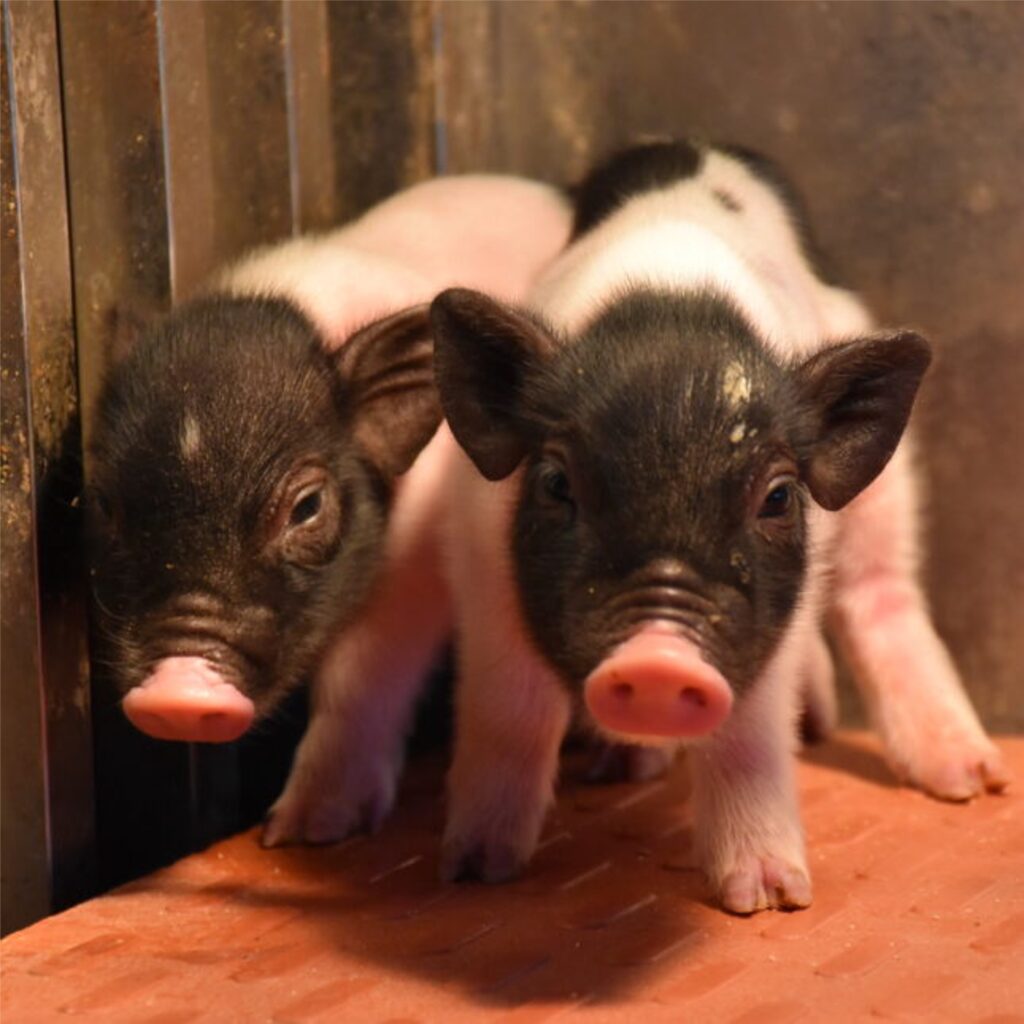
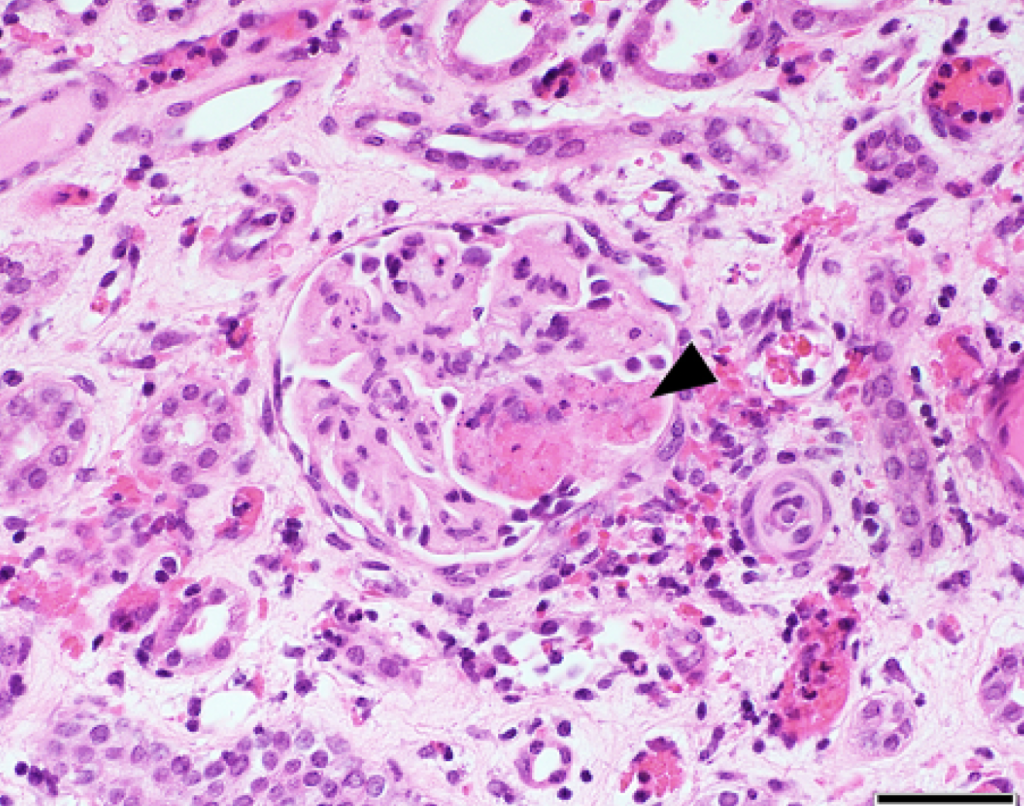
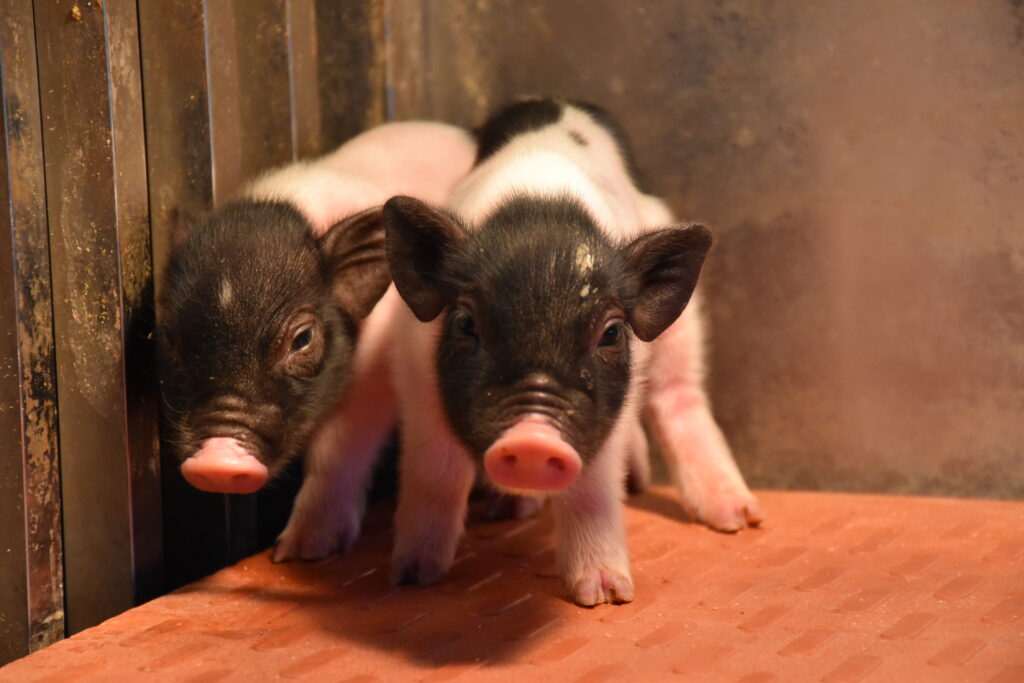
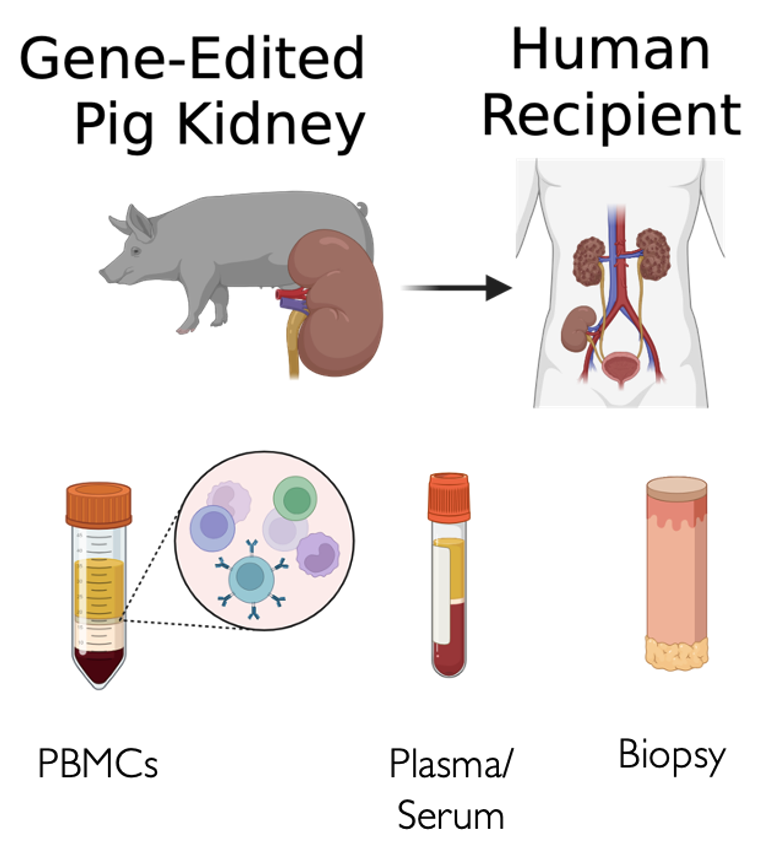
In March 2024, under the leadership of Leonardo V. Riella, MD, PhD, Massachusetts General Hospital performed the world’s first successful kidney transplant from a gene-edited pig into a living human, a historic milestone in the effort to address the global organ shortage. Since then, Dr. Riella’s team has completed three additional porcine kidney transplants, making this the largest series of living human xenotransplants to date. These groundbreaking procedures are part of the first FDA-approved clinical study in kidney xenotransplantation, designed to evaluate safety, immune compatibility, and long-term function. Dr. Riella’s research program continues to drive the science forward—applying multi-omics profiling, CRISPR-based gene editing insights, and precision immunosuppression strategies to improve xenograft survival and inform next-generation protocols.

Recent Publications

News

Videos

1/8
🦠 Great lecture by Dr. Hohmann on Clostridium difficile infection (CDI).
A common infection with major consequences:
⚠️ ~10% all-cause 30-day mortality
Especially relevant for older & immunosuppressed patients. @mgh_transplant @KottonNelson

7/8
🌱 Microbiome restoration matters.
Encourage:
• Plant-heavy diet
• Fermented foods (eg. kefir, kraut)

Stop PPIs when possible.

For recurrent/refractory CDI → Fecal microbiota transplant (FMT)
Highly effective, but costly and not widely available.

8/8
🔑 Key takeaways of C. difficile infection:
• Minimize unnecessary antibiotics
• Interpret tests in context
• Use guideline-based therapy
• Strengthen infection control
• Consider advanced therapies for recurrence

@mgh_transplant

🚨 Our New Review Out!
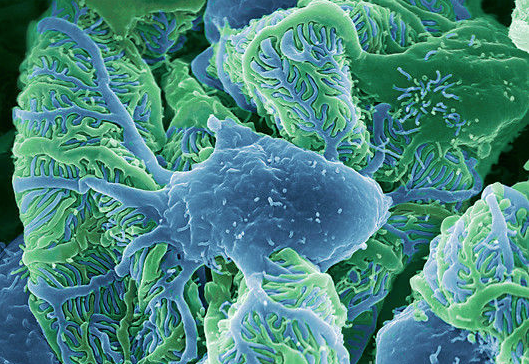
Ultrasound Localization Microscopy (ULM) is reshaping how we see microvasculature at unprecedented resolution. In the kidneys, glomeruli are visualized non-invasively! Great opportunities for dx https://www.sciencedirect.com/science/article/pii/S0301562925013651?via%3Dihub @mgh_transplant @MGBKidneys
🧠🧬🩺

If your transplant center does not have a structured exercise program, you can still provide recommendations📅 4-5 days/week⏱️ 30-45 min/session💪 Moderate intensity/conversational pace🚶 Walking, cycling, swimming⌚ Start 4+ weeks pre-tx. + band exercise
Consistency > Intensity

1/5
🧵Can movement alone promote transplant tolerance?
Our new @amjtransplant study suggests YES. Voluntary mobility,even without formal exercise,prolongs transplant survival via immune modulation. Even donor exercise matters
📄 https://doi.org/10.1016/j.ajt.2026.01.022
@MGHTransplant @MGBKidneys

4/5
🙏 Huge credit to our team:
Hugo Correa, Daniel Mendes, Karina Lima & @ThiagoJBorges
Special thanks to Hugo for bringing fresh insights on exercise immunology to our lab & helping launch our virtual exercise program for MGH transplant patients.

5/5
💡 Movement, by recipient or donor, can improve transplant outcomes and promote immunoregulation.
IMPLICATIONS: Consider structured exercise programs for BOTH donors and recipients. For research: Housing conditions matter.
Let’s move to tolerate!
📄 https://doi.org/10.1016/j.ajt.2026.01.022

🚀 Record-breaking year for transplants at MGB!!
In 2025, we performed 756 life-saving transplants, our highest ever.
❤️Thanks to our extraordinary team, our generous donors & our courageous patients for trusting and inspiring us every step of the way. @mgh_transplant @MGBKidneys

Great lecture by Dr Mansour @mgh_transplant on neutrophils, our most abundant circulating immune cells. Rapid responders against diverse pathogens w/multiple killing mechanisms, yet they survive only 6–24 hours. Remarkably, ~50 billion are produced daily to keep levels steady.

Load More