Nature Medicine 2026 ePub Jan 8th 2026
Authors
Guilherme T. Ribas, André F. Cunha, Jonathan P. Avila, Alessia Giarraputo, Leela Morena, Karina Lima, Rodrigo B. Gassen, Jia-Yun Chen, Jia-Ren Lin, Sandro Santagata, Claire T. Avillach, Birgitta A. Ryback, Martin S. Lindner, Sivan Bercovici, Ivy A. Rosales, Tatsuo Kawai, Helder I. Nakaya, Robert B. Colvin, Thiago J. Borges & Leonardo V. Riella
Abstract
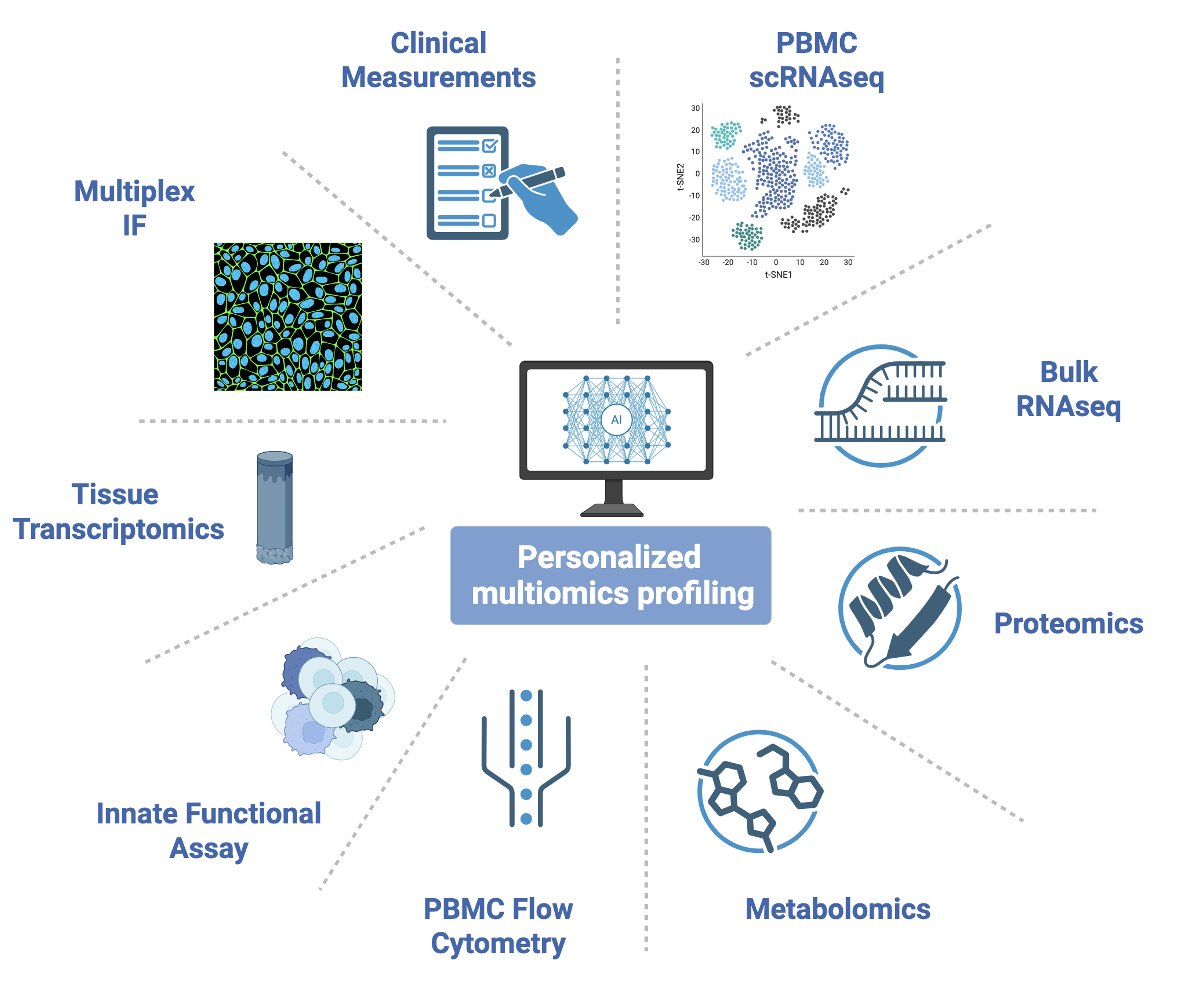
of gene-edited pig kidneys offers a promising solution to the shortage of kidneys for organ transplantation. We recently performed a gene-edited pig kidney transplantation into a living human recipient with end-stage kidney disease. Here, using transcriptomics, proteomics, metabolomics and multiplexed imaging, we conducted high-dimensional immune profiling in this individual. Despite profound depletion of circulating T cells, early T cell-mediated rejection occurred within 1 week after transplantation, likely driven by subtherapeutic immunosuppression and the presence of residual CD8+ T cells in lymph nodes. This T cell-mediated rejection event was reversed by intensified immunosuppression. After treatment, adaptive immunity remained suppressed, whereas innate immune activation, characterized by sustained monocyte and macrophage activity along with elevated levels of interleukin-1 beta and granulocyte–macrophage colony-stimulating factor, persisted. Comparative transcriptomic analysis showed that xenograft rejection profiles resembled those typically observed in human allograft rejection, while also revealing unique innate immune signatures. We did not detect antibody-mediated rejection. The levels of circulating pig donor-derived cell-free DNA rose during the initial rejection episode and declined with treatment, supporting the potential of cell-free DNA measurements as a noninvasive biomarker of xenograft rejection. These findings define the distinct immune landscape of kidney xenotransplantation and highlight the need for regimens targeting both innate and adaptive immunity to improve outcomes.
PDF link here