

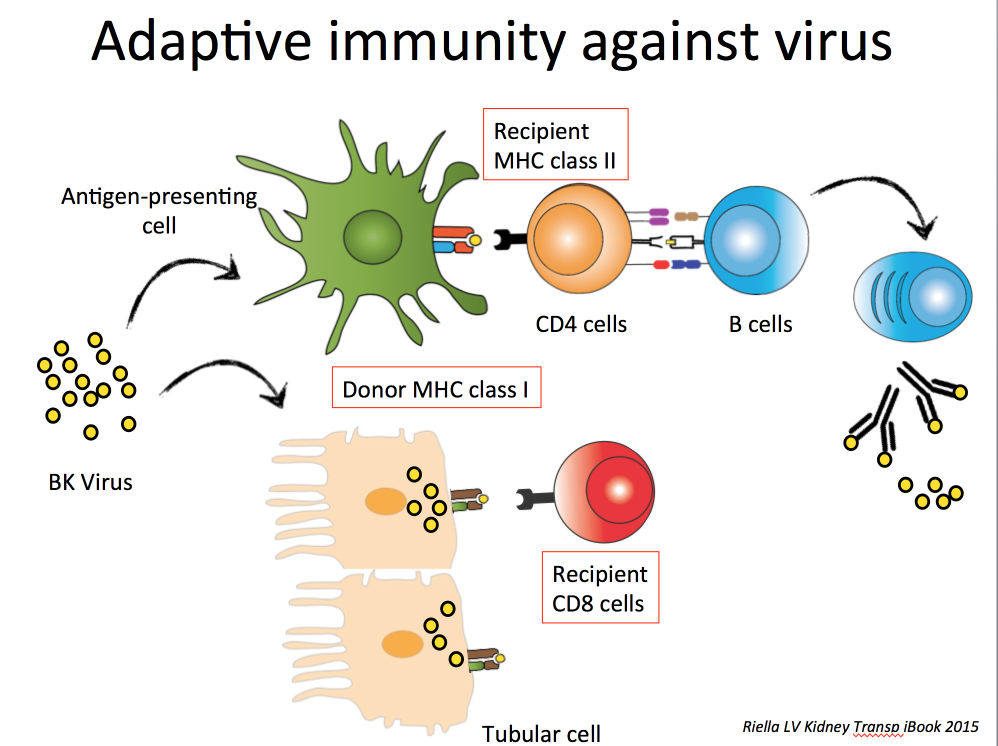
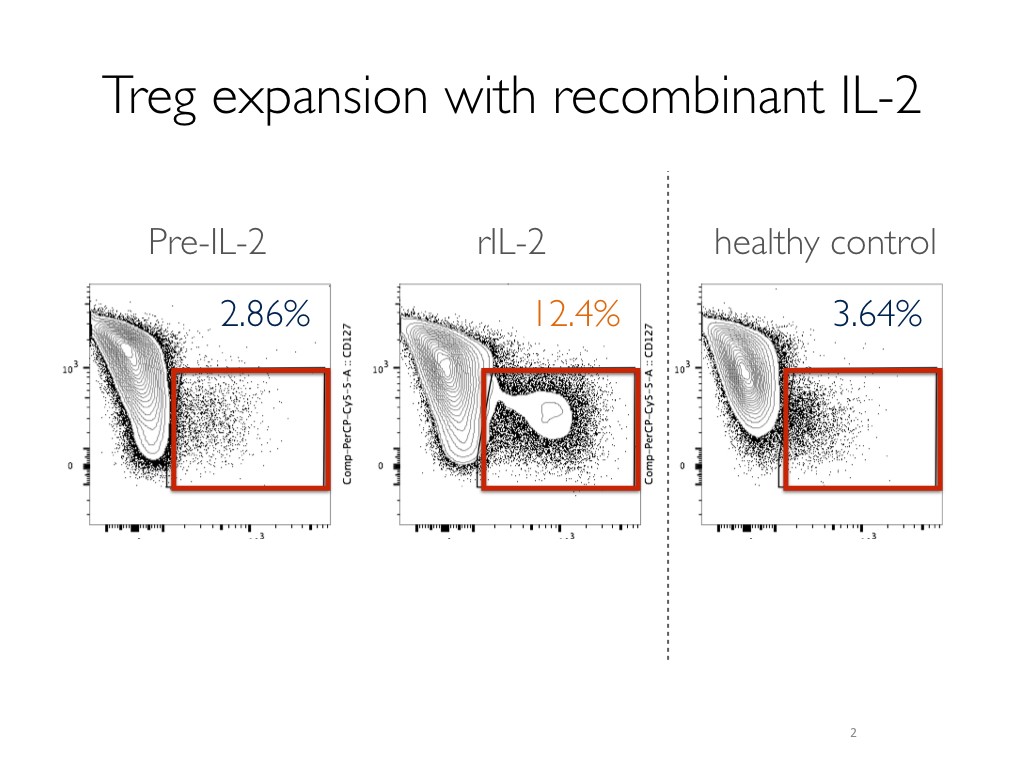
The immune system has to be tightly regulated to avoid collateral damage. The discovery of regulatory cells in 1985 yielded one of the most important immunological advances in the past…

Leonardo Riella03/2016
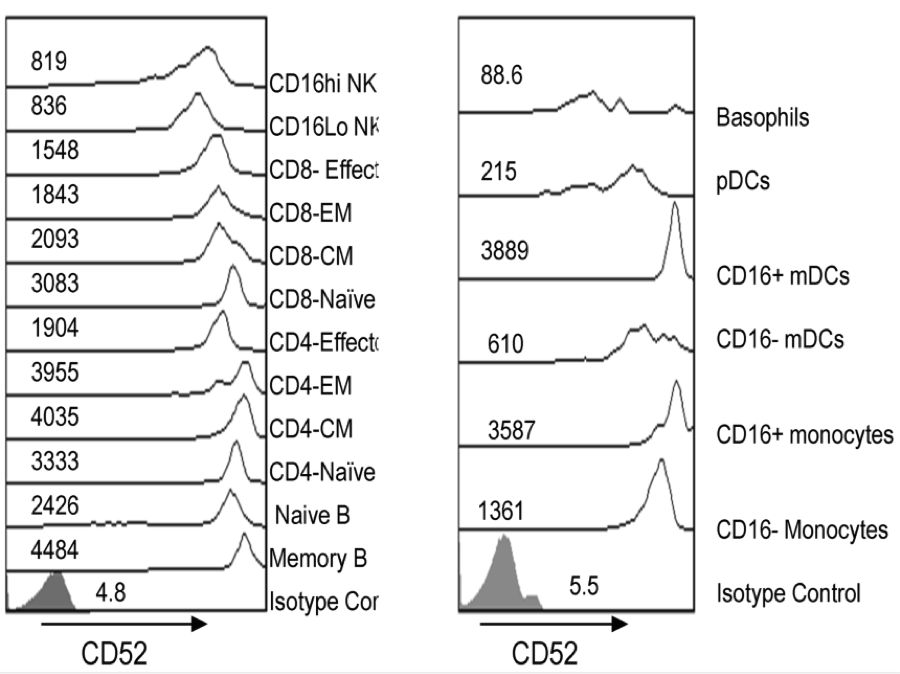
For severe or refractory rejections, thymoglobulin/ATG is commonly employed in combination with steroids and B-cell targeted therapies when indicated. However, alemtuzumab could be more effective then thymoglobulin since it depletes…
Leonardo Riella09/2015
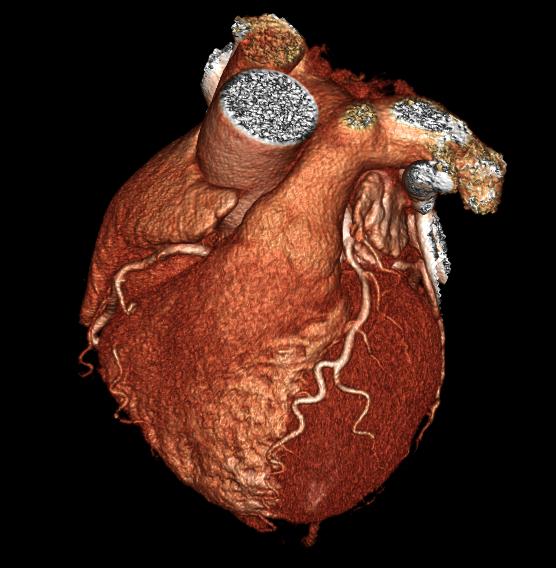
One controversial aspect in the evaluation of potential kidney recipients is the performance of stress tests for risk stratification. With the cost of stress tests ranging from U$2,500-5,000 and the long waiting…
Leonardo Riella09/2015

A 31 year-old healthy male donated his kidney to his mother who had IgA nephropathy. Prior to donation, his creatinine was 1.08 mg/dl. One year after donation, his creatinine is…
Leonardo Riella08/2015
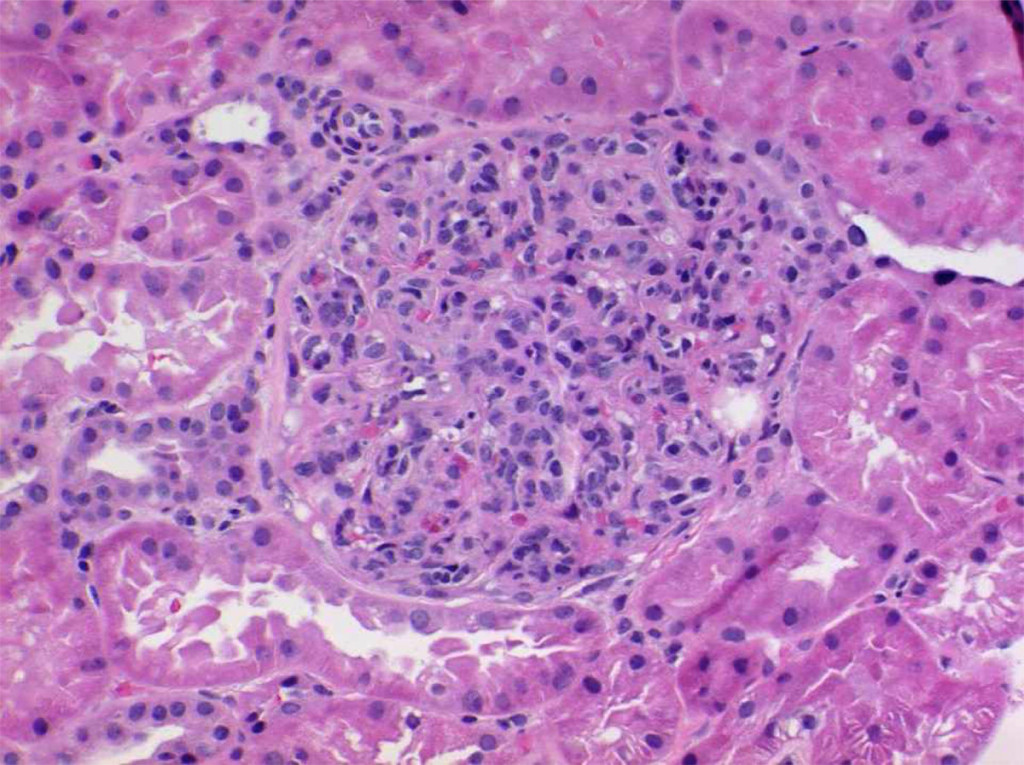
Membranoproliferative glomerulonephritis on kidney biopsy. Monoclonal gammopathies generally arise from the development of an abnormal clone of B-cell lineage. The monoclonal protein can be intact immunoglogulin (often associated with free…
Leonardo Riella06/2015

What are the most common type of cancers in kidney transplant recipients? Post-transplant malignancy The four most common cancers are: non-melanoma skin cancers, Kaposi’s sarcoma, kidney cancer and non-Hodgkin lymphomas. Compared…

Leonardo Riella04/2015
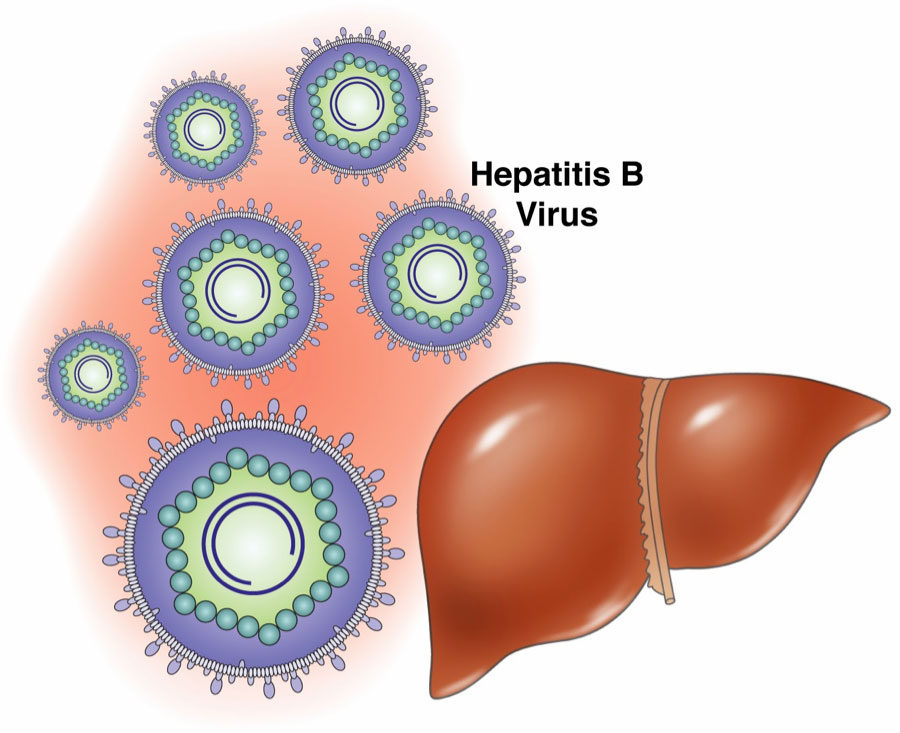
Prior HBV infection is not a contraindication to kidney transplantation. Hepatitis B Virus It is critical to evaluate patients with serologies and HBV DNA viral load prior to transplant. Most patients…
Leonardo Riella04/2015
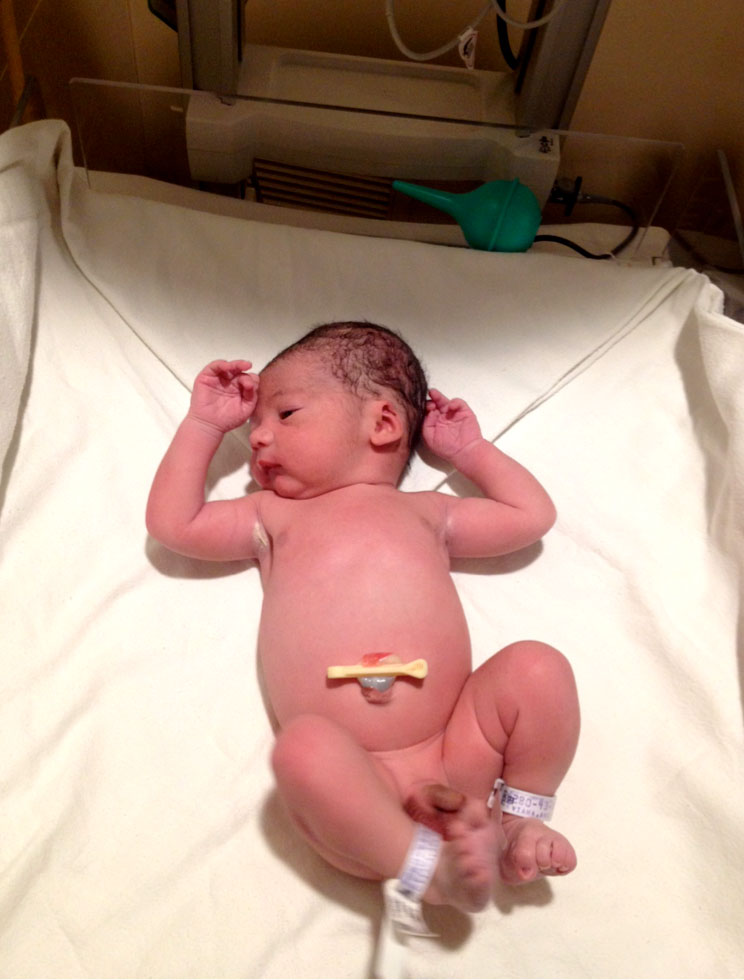
Pregnancy after Kidney Transplantation While end-stage kidney disease is associated with a high rate of infertility likely related to hormonal changes and anovulation, patients undergoing renal transplantation resume menstrual cycles…
Leonardo Riella04/2015