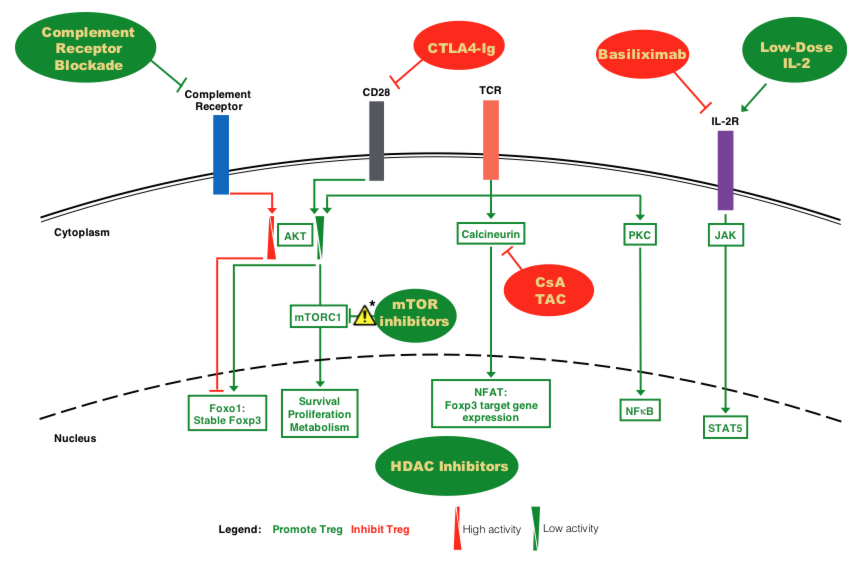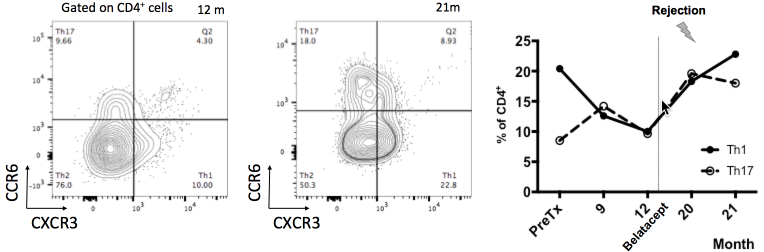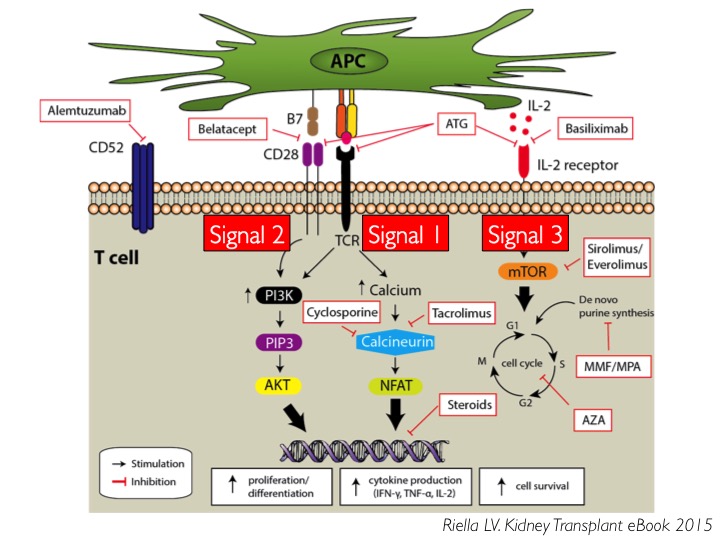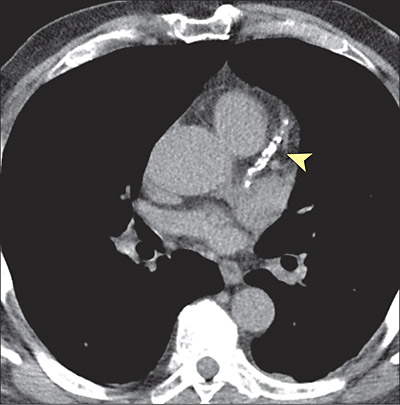
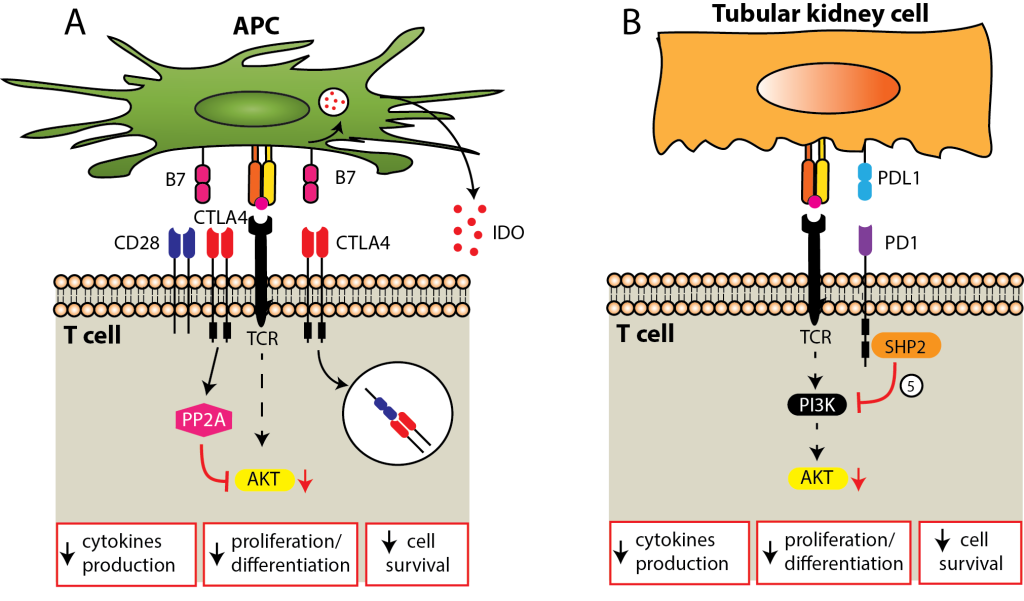
Immune rejection is mediated by a complex interplay of cellular and humoral mechanisms. Current therapeutic strategies, which rely on global immunosuppression, can result in serious complications and are not completely…
Digital Learning in Transplantation. Riella LV. Transplantation. 2016 Apr;100(4):701-702. PMID: 26998849 Physicians are lifetime learners in a world of rapidly changing information. Understanding the science of learning well and using the best available tools…
Riella LV, Chandraker A. “Transplant-related Complications,” In: Li and Jevnikar. "AST Handbook of Transplant Immunology". 1st Edition, Wiley Blackwell 2015
Facial transplantation is a life-changing procedure for patients with severe composite facial defects. However, skin is the most immunogenic of all transplants and better understanding of the immunological processes after…
The Notch signaling pathway is known to play a pivotal role in T- and B-cell development and fate, presenting it as an attractive therapeutic target in alloimmunity. This review provides…
CD28 is a well-characterized co-stimulatory molecule that interacts with CD80/86 on antigen-presenting cells (APCs), comprising the critical signal 2 of T cell activation. Targeting CD28 has become an important immunosuppressive…
Accurate risk assessment is critical when evaluating potential living kidney donors. High-risk kidney APOL1 variants have been associated with end-stage renal disease of multiple causes among African Americans, though the predictive power…
A high-salt diet (HSD) in humans is linked to a number of complications, including hypertension and cardiovascular events. Whether a HSD affects the immune response in transplantation is unknown. Using…