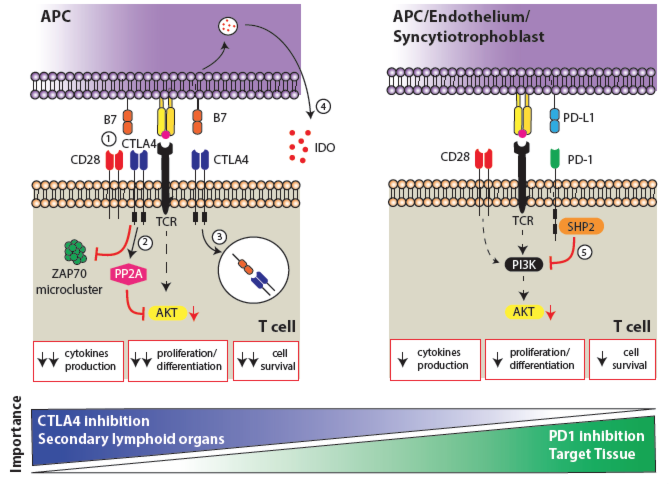
In a successful pregnancy, the semiallogeneic fetus is not rejected by the maternal immune system, which implies tolerance mechanisms protecting fetal tissues from maternal immune attack. Here we report that…
Fever, dysuria and elevated serum creatinine in a kidney transplant recipient. Batal I, Bijol V, Riella LV, Rennke HG. Am J Transplant. 2013 Mar;13(3):817-8.
Riella LV, Chandraker A “Living donation – The gold standard,” In: Kandaswamy and Mamode Abdominal Transplantation; the State of the Art. 1st Edition, Blackwell 2013, 1st Edition; Pages 9-24.
Understanding immunoregulatory mechanisms is essential for the development of novel interventions to improve long-term allograft survival. Programmed death 1 (PD-1) and its ligands, PD-L1 and PD-L2, have emerged as critical…
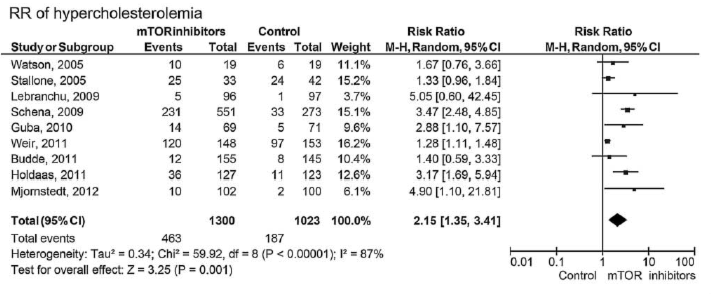
Cardiovascular disease is the leading cause of mortality in kidney transplant recipients. Dyslipidemia is a common finding after renal transplantation and a significant risk factor in the development of coronary…
BACKGROUND AND OBJECTIVES: Acute rejection remains a problem in renal transplantation. This study sought to determine the utility of a noninvasive cytokine assay in screening of acute rejection. DESIGN, SETTING,…
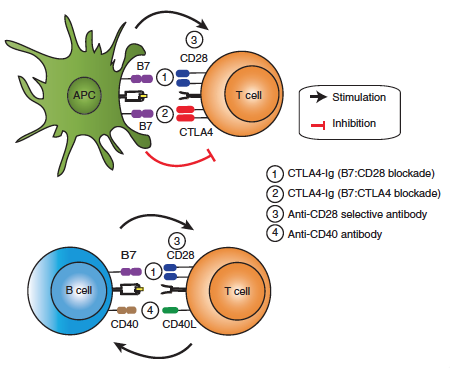
Blockade of the B7:CD28 costimulatory pathway has emerged as a promising therapy to prevent allograft rejection. However, results from the belatacept phase III clinical trial demonstrated a higher rejection rate…